
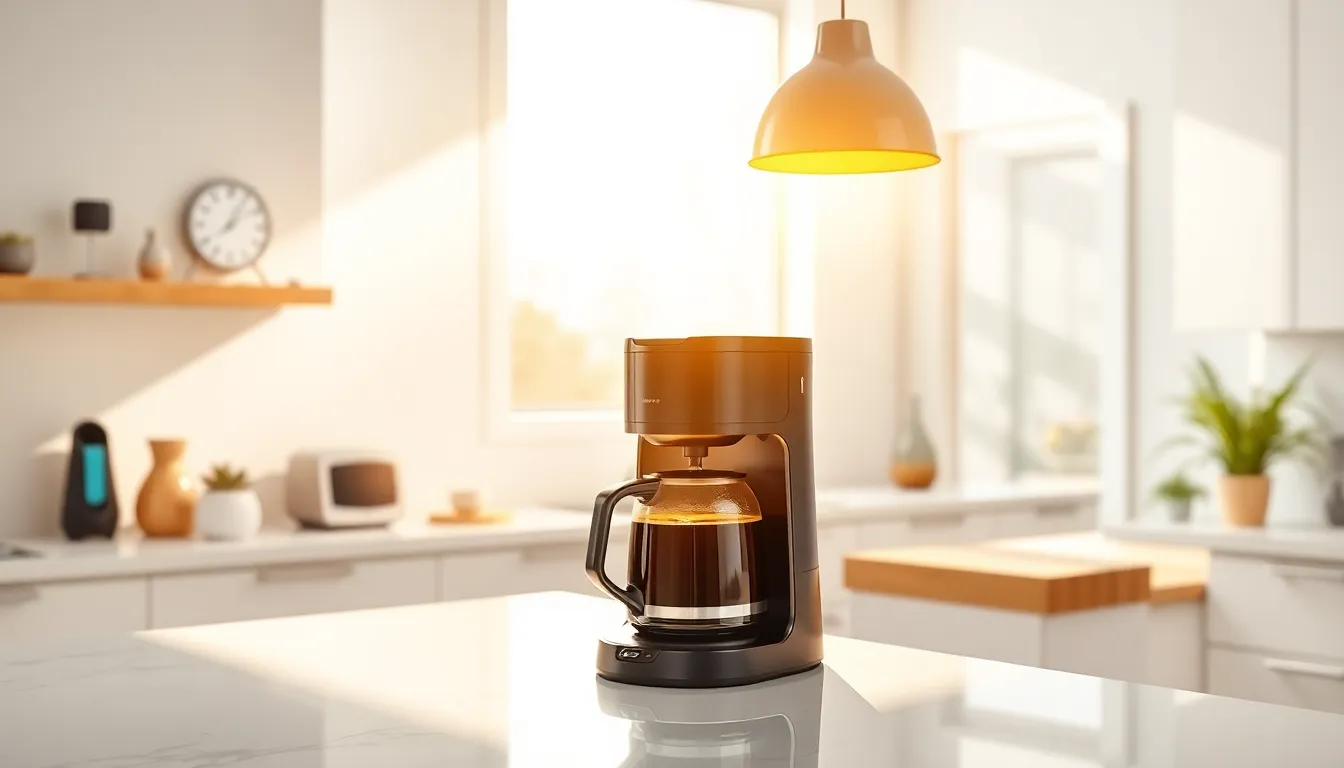
Imagine waking up to the smell of freshly brewed coffee, the blinds gently opening to let in the morning sun, and your favorite playlist starting up—all without lifting a finger. Welcome to the future of smart homes, where technology blends seamlessly with daily life, making everything from mundane chores to extravagant entertainment a breeze.
Overview of Smart Homes
Smart homes integrate technology to enhance daily living experiences, providing convenience, efficiency, and comfort through automation. Increased adoption occurs as homeowners seek to simplify routines and embrace innovative solutions.
Definition and Current Trends
Smart homes refer to residential spaces equipped with smart devices that interact through the internet. These homes utilize interconnected systems for health, security, energy management, and entertainment. Current trends show significant growth in voice-activated assistants, which allow for hands-free control of home systems. Smart thermostats monitor energy usage and adjust accordingly, promoting efficiency. Additionally, home security devices, such as smart cameras and alarms, leverage real-time notifications to ensure safety. Consumers increasingly value customizable experiences, prompting manufacturers to enhance product offerings and interoperability within smart home ecosystems.
Technologies Driving Smart Homes
Various technologies play a crucial role in the evolution of smart homes. Internet of Things (IoT) devices collect and share data, enabling seamless interaction between appliances and systems. Wireless communication protocols, including Wi-Fi, Bluetooth, and Zigbee, facilitate device connectivity and integration. Artificial Intelligence (AI) enhances functionality through personalized learning, adapting to user behaviors and preferences. Cloud computing also supports smart home capabilities by allowing remote access to devices from anywhere. Smart energy management systems empower homeowners to monitor and control energy consumption efficiently, contributing to sustainability efforts. As these technologies advance, the future of smart homes looks more interconnected and user-friendly.
Key Innovations Shaping the Future of Smart Homes
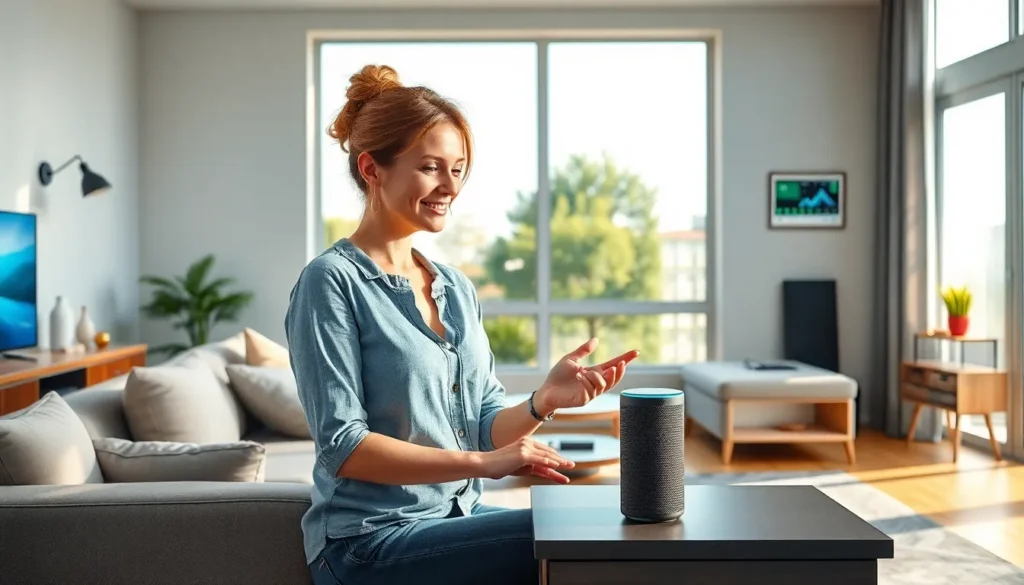
Advancements in technology drive the evolution of smart homes, making daily living increasingly effortless. Several key innovations significantly contribute to this transformation.
Artificial Intelligence Integration
AI integration enhances smart homes by enabling more personalized experiences. These systems analyze user behavior and preferences to automate routines effectively. Voice recognition allows occupants to issue commands seamlessly, facilitating control over various smart devices. Real-time data processing helps in optimizing energy consumption and improving security measures. Automation of daily tasks through AI not only simplifies life but also increases home efficiency.
IoT Expansion and Connectivity
The expansion of IoT technology revolutionizes smart home connectivity. Devices now communicate effortlessly, creating a cohesive ecosystem that enhances user interaction. Increased interoperability among devices ensures that homeowners enjoy a seamless experience, integrating security systems, lighting, and appliances into a singular network. Enhanced connectivity empowers remote access to home systems, allowing users to monitor and control their environments from anywhere. Growth in IoT advancements leads to cost-effective solutions that make smart homes more accessible to a wider audience.
Benefits of Smart Homes in the Future
Smart homes offer numerous advantages that improve daily living experiences. These benefits extend to energy efficiency and security features, fundamentally transforming residential environments.
Enhanced Energy Efficiency
Smart homes optimize energy management through smart devices that adjust energy consumption based on real-time data. Energy-efficient appliances monitor usage patterns, reducing waste and costs. Smart thermostats, which learn residents’ preferences, automatically adjust temperatures for comfort and savings. Effective monitoring of energy use provides insights into consumption habits, enabling users to make informed decisions. According to a report by the American Council for an Energy-Efficient Economy, smart home technologies can yield energy savings of up to 30 percent. Platforms connecting renewable energy sources, like solar panels, empower homeowners to further lower their energy bills.
Improved Security Features
Advanced security systems revolutionize home protection in smart homes. Technology includes features like smart locks that enable keyless entry and remote locking, ensuring secure access. High-definition cameras provide real-time monitoring and alerts, enhancing safety while away from home. Homeowners benefit from motion sensors that detect unusual activities, triggering immediate notifications. A study by Statista indicates that 60 percent of users feel safer with smart security measures. Geo-fencing capabilities allow for automatic alerts when a homeowner approaches or leaves, adding another layer of security. These innovations create a peace of mind that traditional security systems cannot match.
Challenges Facing Smart Homes
Smart homes face several challenges that may hinder their widespread adoption. Addressing these challenges ensures a seamless integration of technology into everyday living.
Privacy Concerns
Privacy concerns emerge as a primary issue in smart home technology. Users worry about data collection practices by devices and service providers, fearing unauthorized access to personal information. Research indicates that 78 percent of consumers express anxiety over the security of their data. Intrusions can occur if devices lack robust security measures, making it crucial to implement encryption and secure communication protocols. Transparency in data usage policies also plays a significant role in building user trust. Homeowners must remain vigilant and informed about how their information is handled by smart devices.
Interoperability Issues
Interoperability issues limit effective communication between various smart home devices. Different manufacturers often design devices that operate on incompatible platforms, leading to frustration for users. Research shows that 59 percent of smart device owners encounter problems with device connectivity. Standards such as the Matter protocol aim to address these compatibility concerns, promoting seamless inter-device interactions. Achieving true interoperability enhances user experiences by allowing diverse products to work together efficiently. Users benefit from a cohesive ecosystem that simplifies management and enhances functionality within smart homes.
The future of smart homes promises to redefine how people interact with their living spaces. With advancements in AI and IoT technology, homes are becoming more intuitive and responsive to individual needs. As energy efficiency and security features continue to improve, homeowners can expect enhanced comfort and peace of mind.
While challenges like privacy concerns and interoperability remain, ongoing innovations and standards are paving the way for broader adoption. As smart home technology evolves, it’s clear that these interconnected systems will play a crucial role in shaping modern lifestyles, making everyday tasks simpler and more efficient. The journey toward smarter living is just beginning, and the potential is limitless.