
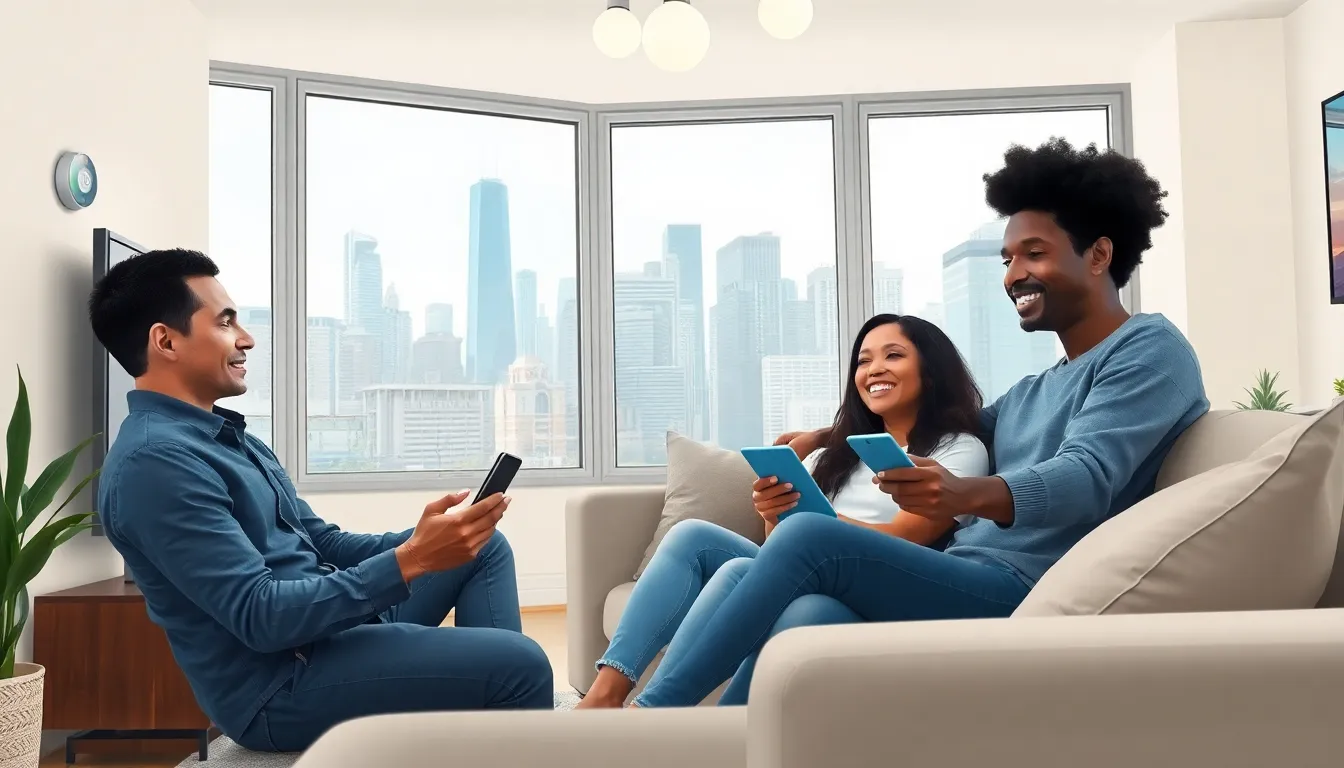
In the Windy City, where the weather can change faster than a politician’s stance, smart homes are revolutionizing the way residents live. Imagine a home that knows when to warm up on a chilly morning or dims the lights just right for movie night. With smart technology, Chicagoans are turning their abodes into futuristic havens—no flying cars required.
Overview of Smart Homes Chicago
Smart homes in Chicago enhance daily living through integrated technology. Homeowners control systems remotely, enabling features such as smart lighting, heating, and security. Automated functions adapt to individual routines, significantly increasing comfort and energy efficiency.
Multiple brands offer innovative solutions tailored for Chicago’s urban environment. Google Nest, Amazon Alexa, and Philips Hue lead the market, providing accessible smart home devices. The demand for these technologies continues to rise, driven by safety concerns and convenience.
Convenience extends beyond basic functions. Smart appliances, such as refrigerators and washing machines, help streamline household tasks. Energy management tools monitor usage patterns, promoting sustainability. Residents save on utility bills while reducing environmental impact.
Security systems offer peace of mind through real-time monitoring. Smart cameras and doorbells allow homeowners to see who enters their property, even while away. Alarm systems integrate with mobile devices, sending alerts for any suspicious activity.
Mobile applications serve as the central hub for managing smart home devices. Users can customize settings, schedule routines, and receive notifications, all from their smartphones. Interoperability between devices enhances overall user experience, creating a seamless ecosystem of smart technology.
Overall, smart homes in Chicago represent a shift toward modern living. Technology not only simplifies daily tasks but also fosters a sustainable lifestyle. Investing in smart home solutions reflects a growing commitment to convenience, safety, and environmental responsibility.
Benefits of Smart Homes
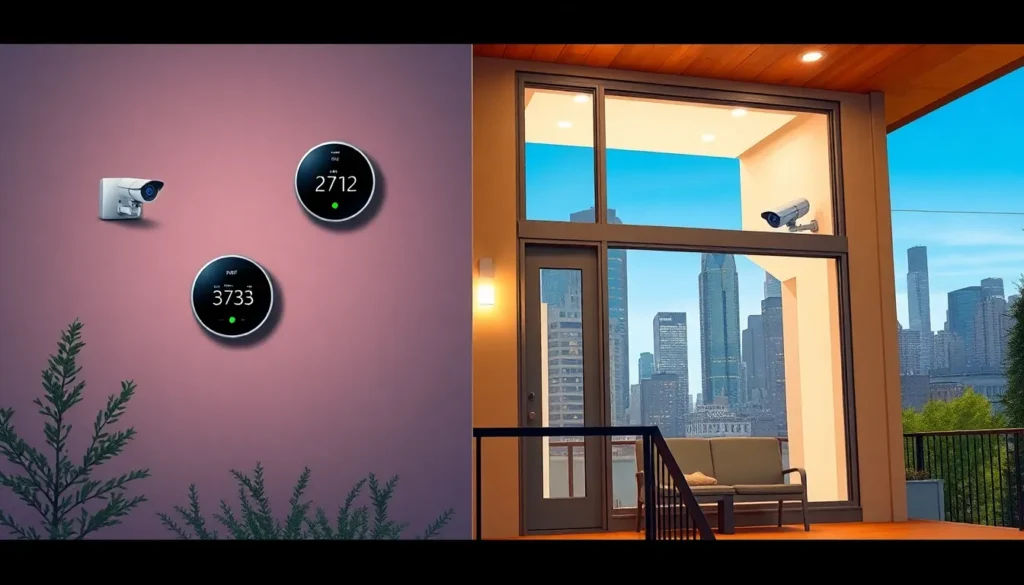
Smart homes offer numerous advantages for residents in Chicago, enhancing convenience and promoting sustainability. Technology improves daily life, providing a multitude of benefits.
Energy Efficiency
Energy efficiency stands out as a primary advantage of smart homes. Smart thermostats, for instance, can learn habits and adjust settings automatically, optimizing heating and cooling. Such systems help reduce unnecessary energy use, leading to lower utility bills. Smart lighting, using LED bulbs, allows homeowners to control illumination levels remotely. This adaptability enables users to turn off lights when not needed, further conserving energy. Notably, integrated energy management tools provide insights into usage patterns, empowering residents to make informed decisions about consumption. Overall, these advances create a more sustainable living environment.
Enhanced Security
Enhanced security represents another significant benefit of smart homes. Smart security systems offer real-time monitoring, giving homeowners peace of mind. Cameras and sensors can detect unusual activity, sending alerts instantly to users’ mobile devices. Integration with smart locks allows for secure access control, ensuring only authorized individuals enter the home. Moreover, mobile apps provide a consolidated view of all security devices, making management straightforward. Safety can increase with automated features that simulate occupancy, deterring potential intruders. Smart home security enhances protection and fosters a feeling of safety within the urban community.
Popular Smart Home Technologies
Smart home technologies significantly enhance the living experience for Chicago residents. These innovations offer efficiency, convenience, and security, transforming everyday tasks into streamlined processes.
Smart Lighting Solutions
Smart lighting solutions provide flexible and energy-efficient illumination options. Homeowners can control lighting through mobile devices or voice commands using platforms like Google Assistant or Amazon Alexa. Smart bulbs adapt to schedules, adjusting brightness based on the time of day. Users appreciate customization that allows setting scenes for different activities like movie nights or dinner parties. Energy consumption decreases as automated systems turn lights off when rooms are unoccupied. Philips Hue and LIFX offer popular products, ensuring compatibility with other smart home devices. Enhanced lighting promotes not just utility but also ambient comfort, appealing to the aesthetic preferences of Chicago homeowners.
Smart Thermostats
Smart thermostats contribute significantly to energy efficiency and comfort. These devices learn user habits over time, adjusting heating and cooling automatically. Nest and Ecobee, for example, allow remote temperature management via smartphone apps. Users benefit from real-time energy consumption monitoring, enabling them to make informed decisions. The systems also offer alerts for maintenance, reducing repair costs. By optimizing home climate based on occupancy patterns, smart thermostats improve overall home efficiency. Their ability to integrate with other smart home technologies enhances user convenience, making them a worthy investment for Chicago residents seeking modern solutions.
Smart Home Installation in Chicago
Smart home installation requires careful planning and execution to optimize technology for everyday living. Residents benefit from tailored solutions that enhance comfort and convenience.
Choosing the Right Provider
Selecting the right provider involves considering experience and customer service. Homeowners should review portfolios of previous installations and read customer testimonials. Brands like Google Nest and Amazon Alexa are commonly integrated, but local providers often offer specific expertise for Chicago’s urban environment. Comparing multiple contractors allows homeowners to assess pricing and service packages. Chicago residents often find it beneficial to choose providers who offer personalized consultations and post-installation support. Moreover, considering providers with strong community ties can enhance trust and reliability.
Typical Installation Process
The installation process generally begins with a site assessment to evaluate home layouts and technology needs. Scheduling an initial consultation enables technical experts to recommend suitable devices and systems. Next, the installation team establishes connectivity for smart devices, ensuring they communicate seamlessly. This step often involves integrating smart lighting, thermostats, and security systems. After the installation, a walkthrough helps homeowners understand how to operate new devices effectively. Training sessions usually follow to ensure homeowners feel confident using their smart technology. Many providers also incorporate a follow-up service to address any questions that arise post-installation.
Future Trends in Smart Homes
Smart homes in Chicago are evolving, driven by technological advancements and user demands. Increased integration of artificial intelligence enhances home automation, allowing systems to predict user needs based on patterns. Smart appliances, such as refrigerators and ovens, are beginning to feature connectivity, enabling users to monitor and control them remotely.
Homeowners appreciate energy efficiency, which remains a central focus. Smart devices are incorporating advanced energy management features. This trend allows users to optimize energy consumption further while contributing to lower utility bills. Studies indicate that intelligent systems can reduce energy use by up to 30 percent.
Sustainability is gaining traction within smart home technology. More homes now utilize solar panels that integrate seamlessly with smart systems, allowing real-time monitoring and management. The combination of renewable energy sources and smart grids creates an environmentally friendly living experience.
Security solutions continue to advance as well. Next-generation smart cameras and sensors offer enhanced facial recognition and intrusion detection capabilities. These innovations provide homeowners with greater control over their security systems, further increasing peace of mind.
Voice control features are becoming standard in many households. Users can interact with multiple devices using simple voice commands, streamlining everyday tasks. Compatibility among various platforms continues to improve, enabling seamless control of all smart devices.
As wearable technology gains momentum, smart homes are starting to connect with health devices. Smartwatches and fitness trackers can relay health data to home systems, providing personalized wellness solutions. Future developments suggest integration with smart mirrors and displays to offer real-time health monitoring feedback.
Overall, the future of smart homes in Chicago reflects a commitment to convenience, security, and sustainability. These trends ensure that modern living continues to adapt to the evolving needs of residents.
Smart homes in Chicago are not just a trend but a transformative lifestyle choice. With technology seamlessly integrating into daily routines homeowners enjoy enhanced comfort and significant energy savings. Leading brands provide innovative solutions that cater to the unique needs of urban living.
As the demand for security and convenience grows residents are increasingly adopting smart technologies. The future looks promising with advancements in artificial intelligence and connectivity paving the way for even smarter solutions. For Chicagoans looking to modernize their living spaces investing in smart home technology is a step toward a more efficient and secure lifestyle.