

Imagine waking up to a home that knows your preferences better than your best friend. Custom smart homes are revolutionizing the way people live, blending technology with personal touch. From voice-activated coffee makers to mood-setting lights, these homes don’t just respond—they anticipate.
With a custom smart home, you’re not just upgrading your living space; you’re upgrading your lifestyle. It’s like having a personal assistant that never takes a coffee break. Whether it’s managing energy efficiency or creating the perfect ambiance for movie night, the possibilities are endless. Why settle for ordinary when extraordinary is just a smart device away? Embrace the future of living and discover how custom smart homes can transform everyday routines into extraordinary experiences.
What Are Custom Smart Homes?
Custom smart homes incorporate technology to enhance everyday living. These residences adapt to individual preferences, creating a personalized environment.
Features of Custom Smart Homes
Custom smart homes include voice-activated devices, enabling seamless interaction. Automated lighting adjusts based on time or activity, increasing comfort. Smart thermostats optimize energy efficiency by learning heating and cooling patterns. Security systems provide real-time surveillance and alerts, ensuring peace of mind. Home entertainment systems can be controlled through apps, making movie nights more enjoyable.
Benefits of Custom Smart Homes
Custom smart homes offer improved energy efficiency, reducing utility costs. Residents enjoy enhanced convenience with remote control of appliances from smartphones. Increased security features protect against potential threats and provide peace of mind. Customization allows for tailored experiences that meet specific lifestyle needs. The integration of technology results in a seamless and enjoyable living environment.
Key Components of Custom Smart Homes
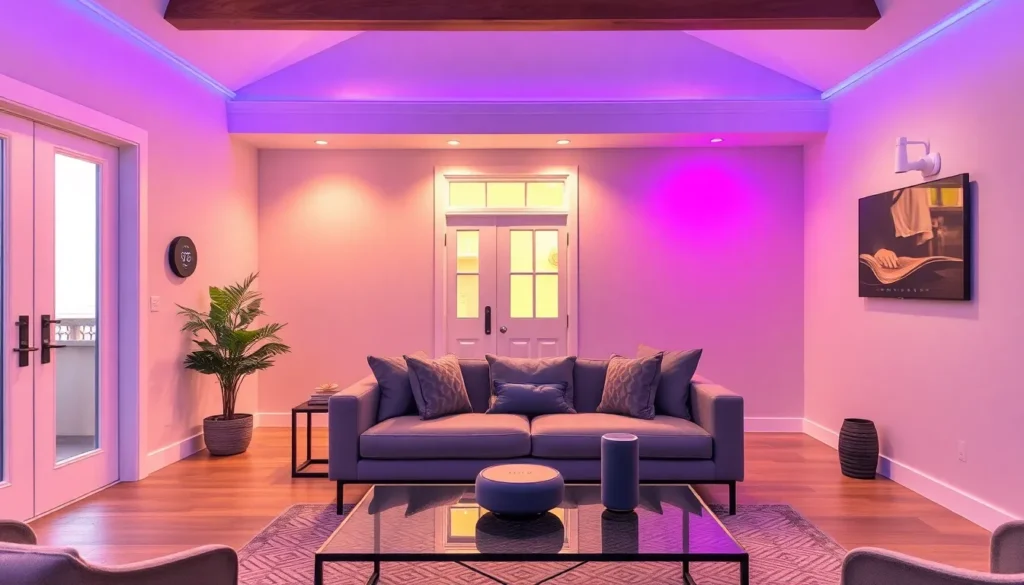
Custom smart homes consist of various components that work together to create a seamless environment. These elements enhance convenience and optimize the living experience significantly.
Smart Lighting Systems
Smart lighting systems provide flexible control for different settings. Users control lights remotely via smartphones or voice commands. Energy efficiency improves with automated schedules that adjust brightness based on time of day. Lights can change colors and create mood settings for parties or relaxation. Smart bulbs offer customization, allowing residents to set scenes based on activities.
Home Automation Devices
Home automation devices centralize control for multiple functions. Thermostats automatically adjust temperatures based on occupancy or preferences, enhancing comfort. Smart plugs enable control of appliances remotely, improving energy use. Voice-activated assistants streamline management by integrating various devices, from speakers to TVs. The result is a cohesive system that simplifies everyday tasks.
Security and Surveillance Technology
Security and surveillance technology ensures safety and peace of mind. Smart cameras provide real-time video monitoring accessible from anywhere. Motion detectors alert homeowners about unusual activities, enhancing response times. Automated locks offer secure entry through smartphones, minimizing the risk of unauthorized access. Alerts and notifications keep residents informed about their home’s security status.
Designing Your Custom Smart Home
Designing a custom smart home involves understanding personal needs and integrating technology effectively. Each step in this process shapes a unique living experience.
Assessing Your Needs and Preferences
Individuals must first evaluate their lifestyle to determine specific requirements. Important aspects include energy efficiency, security features, and desired smart devices. Prioritizing comfort and convenience enhances daily routines. For instance, tech-savvy homeowners might value advanced entertainment systems, while others may focus on safety technologies like smart locks and cameras. Clarifying these preferences sets a solid foundation for making informed decisions.
Choosing the Right Technology
Selecting appropriate smart home technology requires consideration of compatibility and function. Homeowners should research various devices such as smart thermostats, voice-activated assistants, and automated lighting systems. Each technology offers unique benefits, from energy savings to enhanced convenience. Specific products can integrate seamlessly within a chosen ecosystem, ensuring easy control. Evaluating features like responsiveness and user-friendliness increases overall satisfaction with the smart home experience.
Collaborating with Experts
Consulting with professionals can significantly streamline the design process. Experienced installers can provide valuable insights and recommendations based on individual preferences and the latest advancements in technology. Collaborating with designers ensures proper integration and functionality. Pursuing expert guidance enables homeowners to avoid common pitfalls and reduce the risk of future compatibility issues. Engaging with specialists leads to a well-planned, efficient smart home that truly meets the occupant’s needs.
Cost Considerations for Custom Smart Homes
Cost factors play a crucial role in the development of custom smart homes. Balancing initial investments with potential long-term savings can influence design choices.
Initial Investment vs. Long-Term Savings
Building a custom smart home entails significant upfront costs, which may include technology installation and home automation systems. Research indicates that initial expenditures range from $20,000 to over $100,000 depending on the complexity. However, long-term savings often offset these expenditures. Enhanced energy efficiency offers utility savings averaging 10% to 30%. Some systems may lower heating and cooling costs, resulting in monthly financial relief. Additionally, smart security features can reduce insurance premiums, yielding further savings for homeowners. Overall, the balance between what is spent now and what is saved later can create a favorable return on investment.
Financing Options for Custom Smart Homes
Various financing options exist for homeowners interested in custom smart homes. Home equity loans present one option, allowing individuals to borrow against their property’s value. Another choice includes personal loans, providing flexibility and often a quicker funding process. Some financial institutions offer specialized home improvement loans tailored for smart technology upgrades. Additionally, energy-efficient mortgages may enable borrowers to finance upgrades while also benefiting from energy-saving improvements. Comparing these options helps homeowners choose a feasible payment strategy while managing project costs effectively, ensuring that financing aligns with their overall budget.
Custom smart homes represent a significant leap forward in modern living. By seamlessly integrating technology into daily life, they offer unparalleled convenience and efficiency tailored to individual preferences. Homeowners can enjoy enhanced security, energy savings, and a personalized atmosphere that adapts to their unique lifestyles.
Investing in a custom smart home not only transforms living spaces but also provides long-term financial benefits. With careful planning and expert collaboration, it’s possible to create a home that meets specific needs while maximizing efficiency. Embracing this innovative approach allows residents to experience the future of home living today.